All things considered, Kansas City has enjoyed a mild winter this year. Even so, many homeowners are looking forward to opening the windows and letting in fresh spring air. But along with warmer temperatures often comes annoying neighborhood noises, like lawn mowers, barking dogs, neighborhood kids and heavier traffic.
If your internal quiet bliss is interrupted often by external noise, your home insulation may be part of the issue.
Soundproofing insulation offers a practical, dual-purpose solution. It helps reduce unwanted noise while also improving energy efficiency and indoor temperature stability, which is important all year long. As a trusted insulation contractor serving the Kansas City area, A+ Insulation helps homeowners create quieter, more comfortable living spaces in every season.
Why Spring is the Right Time to Upgrade Home Insulation
Spring is a season of transition. You get a glorious few weeks of not running your AC or your furnace. It’s also when performance issues become more noticeable, such as drafty rooms, uneven temperatures and increased outdoor noise.
If you experienced high energy bills this winter or noticed inconsistent temperatures throughout your home, insulation could be the underlying cause. Our blog, 9 Signs Your Home Is Under-Insulated, explains common indicators that it may be time for an upgrade.
Addressing insulation in the spring prepares your home for both warmer weather and increased outdoor activity. The right materials can provide acoustic dampening while maintaining stable indoor temperatures, which is especially important in Kansas City’s hot and humid summers.
How Soundproofing Insulation Works
While insulation won’t make a home completely silent, certain materials significantly reduce sound transfer.
Think back to science class. Sound travels in waves. When those waves encounter dense, fibrous insulation materials, they are absorbed rather than transmitted through walls and ceilings. This reduces noise between rooms and limits outdoor sounds entering the home.
At the same time, insulation slows heat transfer. According to the U.S. Department of Energy, properly installed insulation improves energy efficiency by maintaining consistent indoor temperatures and reducing strain on HVAC systems. When air conditioners begin running more frequently in spring and summer, effective insulation becomes even more important.
In short, soundproofing insulation enhances both acoustic comfort and thermal performance, which are two of the most important aspects of overall home comfort.
Where Ceiling Insulation Makes the Biggest Impact
When homeowners think about reducing noise, their thoughts go straight to walls. But remember that ceiling insulation plays an equally important role, especially in multi-level homes.
Bedrooms Beneath Attics
Attics are a major source of both heat gain and outside noise. Upgrading attic and ceiling insulation helps regulate temperatures and dampen sounds like wind, rain and neighborhood activity.
As spring and summer storms move through Kansas City, that added layer of protection can make a noticeable difference in sleep quality and comfort. For additional seasonal insights, see our post on Attic Insulation for Winter: Maximizing Energy Efficiency. The principles of proper attic insulation apply year-round.
Home Offices
With many homeowners continuing to work remotely or in hybrid roles, a quiet workspace matters more than ever. Insulating ceilings and shared walls around home offices helps minimize distractions from televisions, conversations and family and pets roaming around.
Living Areas and Open Floor Plans
Open layouts are popular but can amplify noise. Adding insulation within ceilings and partition walls helps absorb sound and reduce echo, creating a more comfortable environment for everyday living.
Home Insulation Materials That Improve Noise Control and Energy Efficiency
Not all insulation materials perform the same. An experienced insulation contractor, like A+ Insulation, can recommend the best option based on your home’s construction and comfort goals.
Common solutions include:
Fiberglass Insulation
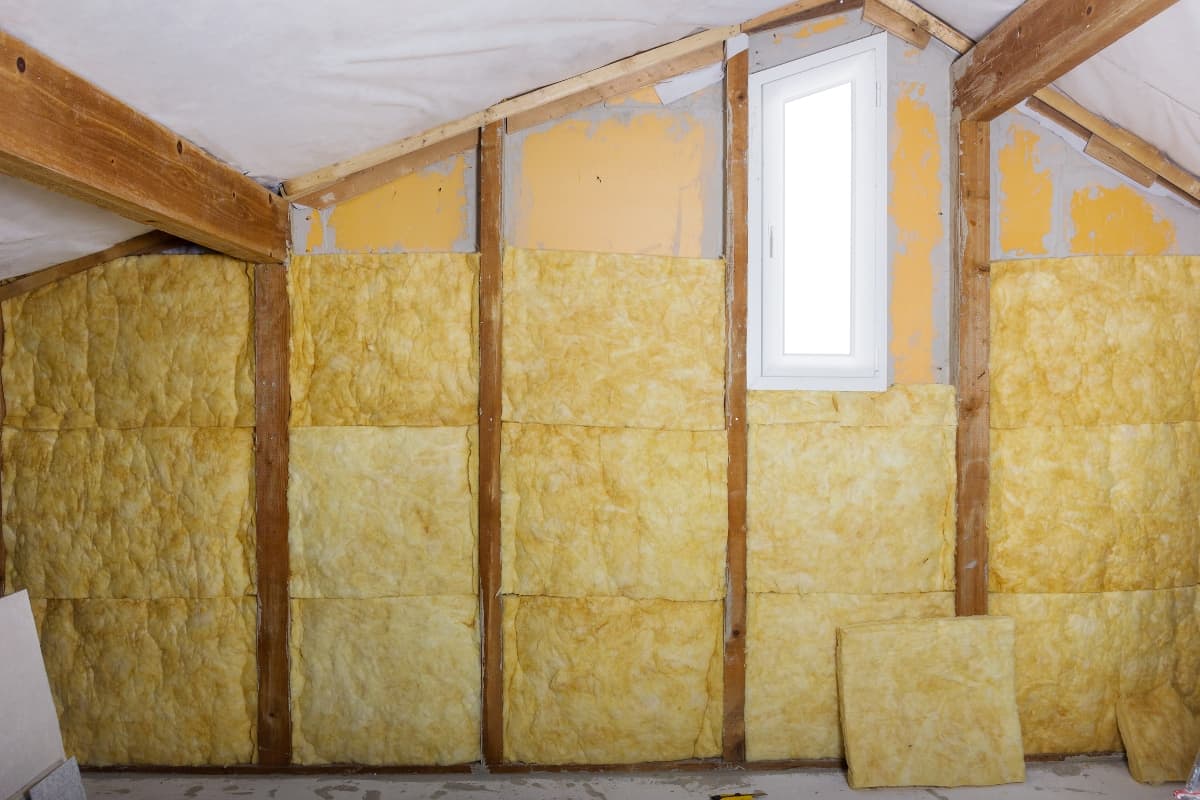
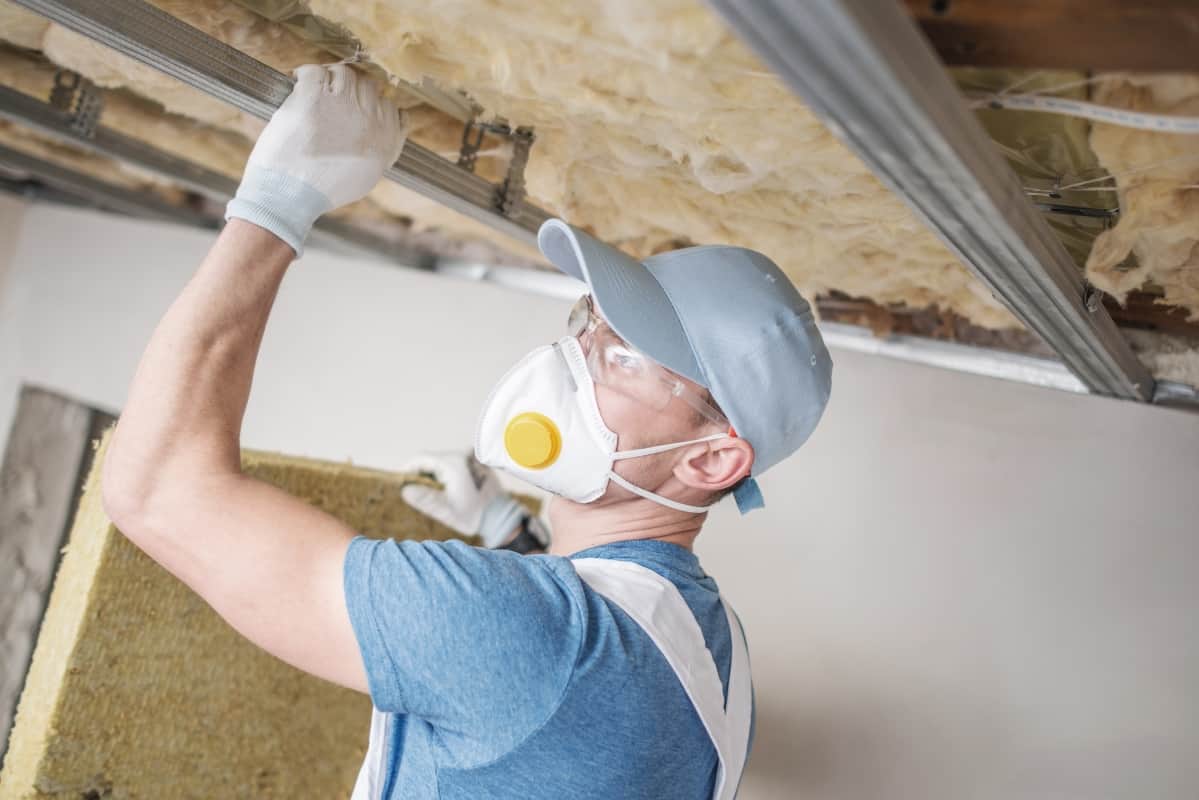
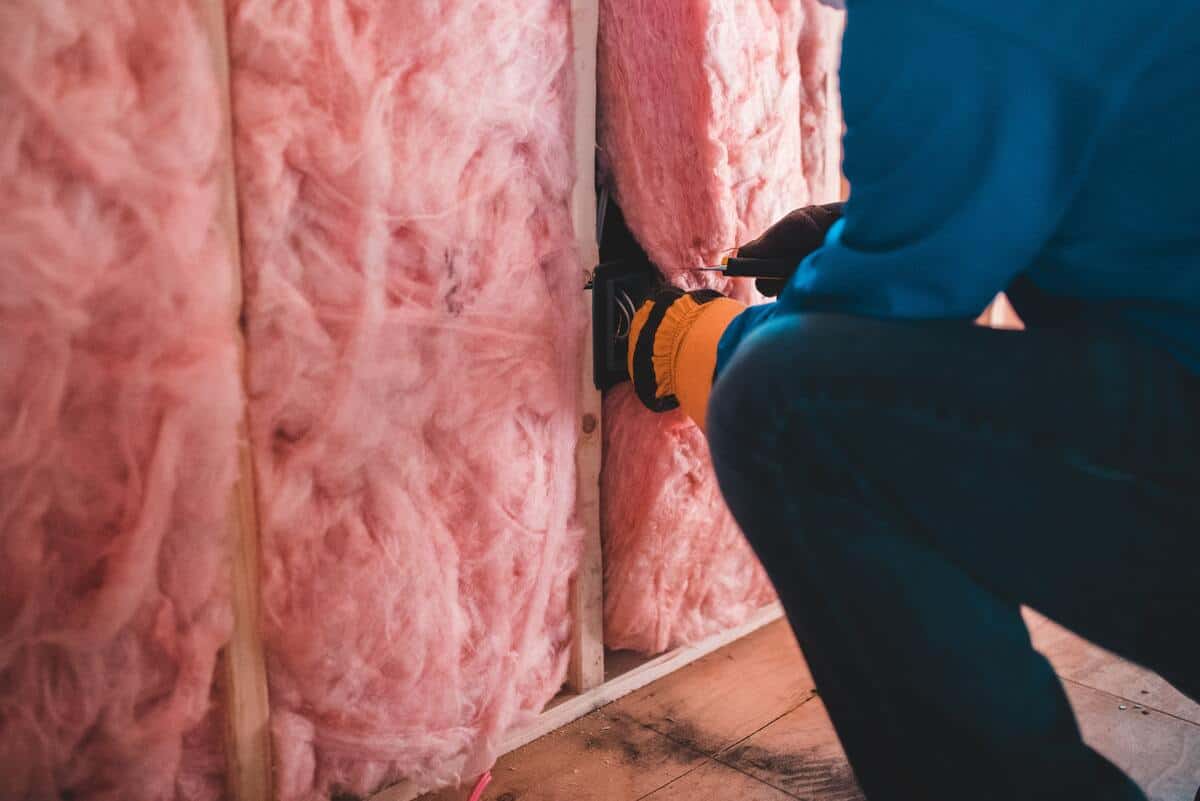
Fiberglass insulation, available in batt and blown-in forms, is widely used in residential homes. Its dense fibers trap air pockets to reduce heat transfer while also absorbing sound waves. It performs well in walls and ceiling cavities for both noise reduction and temperature control.
Blown-In Insulation
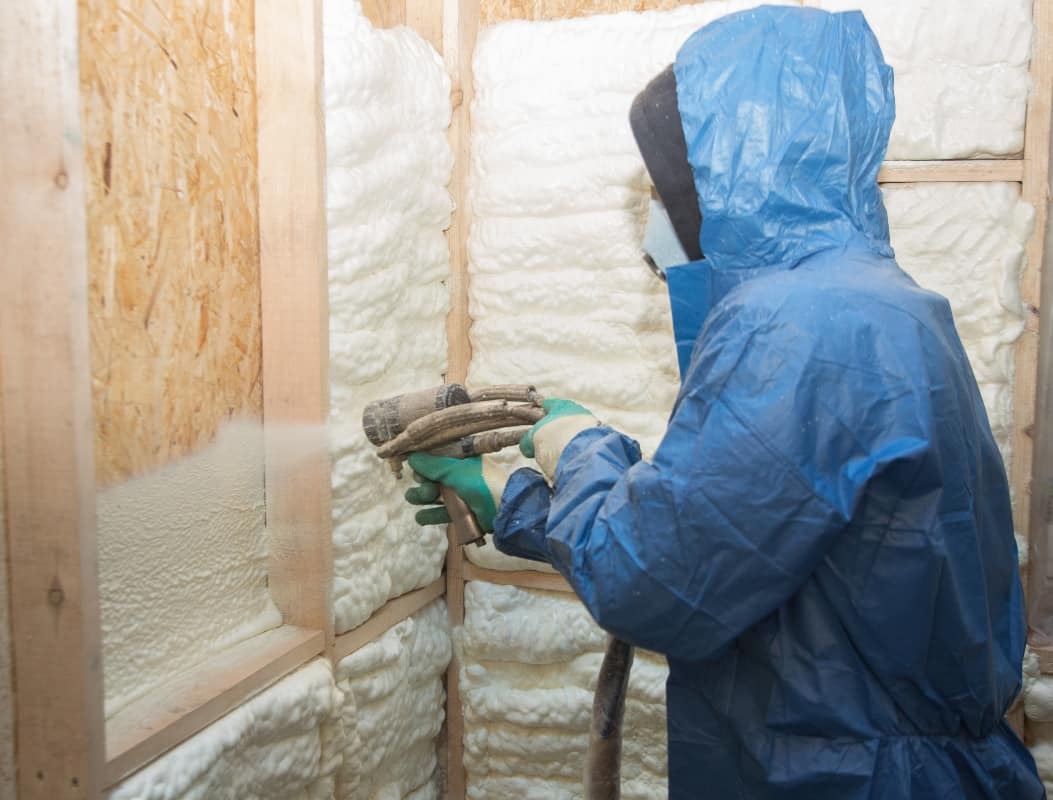
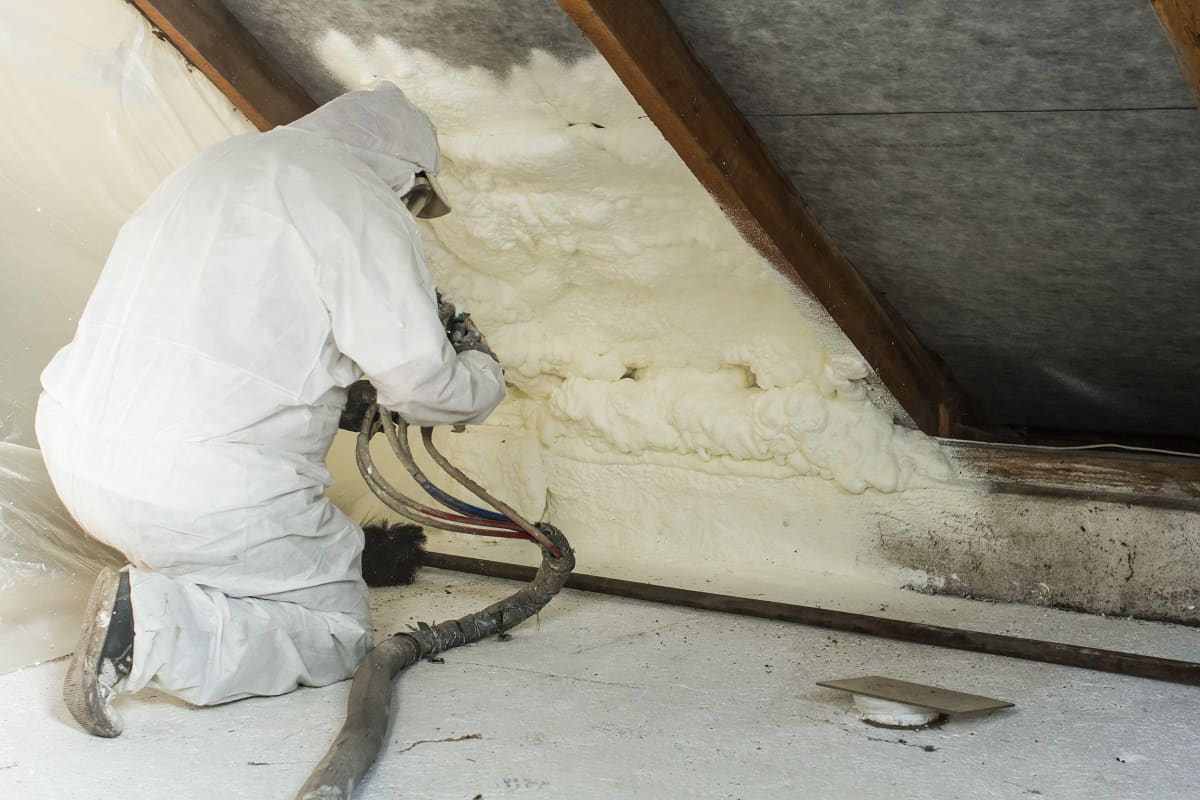
Blown-in insulation is often used in attics to create a thermal barrier. By filling gaps and hard-to-reach spaces, it enhances energy efficiency and adds density that helps reduce noise.
Air Sealing for Maximum Performance
Insulation works best when paired with proper air sealing. Gaps around attic hatches, recessed lighting, duct penetrations and framing joints can allow both noise and conditioned air to escape.
A comprehensive insulation upgrade should include identifying and sealing these air leaks to maximize both acoustic and energy benefits. A+ Insulation’s experts excel in finding and sealing these gaps.
The Connection Between Noise Reduction and Home Comfort
Home comfort is about more than temperature control. Persistent background noise can increase stress, interrupt sleep and generally affect quality of life.
Upgrading ceiling insulation and wall insulation can:
- Reduce sound transfer between floors
- Limit outdoor noise intrusion
- Maintain consistent indoor temperatures
- Improve HVAC efficiency
- Create more restful bedrooms and productive workspaces
When insulation is professionally installed, homeowners experience a quieter, more stable indoor environment throughout every season.
Why Hiring a Professional, Local Insulation Contractor Matters
Insulation performance depends heavily on proper installation. Gaps, compression, uneven coverage or insufficient R-values can reduce effectiveness.
An experienced, local insulation contractor understands:
- Kansas City climate swings
- Recommended R-values for attics and ceilings
- Proper installation techniques
- How to identify under-insulated areas
A+ Insulation evaluates each home individually, identifies performance gaps and recommends practical, comfort-focused solutions. Our team ensures insulation is installed correctly for long-term performance and energy savings.
Prepare Now for a Quieter, More Efficient Home
Spring is the ideal time to make improvements that benefit you year-round. Upgrading soundproofing insulation can:
- Reduce noise as outdoor activity increases
- Improve cooling efficiency before summer heat arrives
- Enhance sleep quality and daily comfort
- Lower overall energy costs
Ready to improve your home comfort? Request a Free Energy Evaluation today and discover how professional soundproofing insulation can transform your Kansas City home.
Frequently Asked Questions About Soundproofing Insulation
Does insulation really help reduce noise?
Yes. While insulation won’t make a home completely soundproof, dense materials like fiberglass and blown-in insulation help absorb sound waves and reduce noise transfer between rooms and from outside.
What is the best insulation for soundproofing?
Fiberglass and blown-in insulation are commonly used for both thermal performance and sound dampening in residential homes. The best option depends on your home’s structure and where noise reduction is needed.
Can adding ceiling insulation make my home more energy efficient?
Absolutely. Ceiling insulation reduces heat transfer through the attic, helping maintain consistent indoor temperatures. This improves HVAC efficiency and can lower heating and cooling costs.
Is spring a good time to upgrade insulation?
Yes. Spring is ideal because it prepares your home for warmer temperatures and increased outdoor noise. Addressing insulation before summer heat arrives helps maximize energy savings.
How do I know if my home is under-insulated?
Signs include uneven temperatures, high energy bills, drafty rooms and excessive noise transfer. A professional insulation contractor can evaluate your current insulation levels and recommend improvements.