Category Archives: Residential

Attic Insulation: A Way to Reduce Heating Bills in Winter

As the temperature drops this winter, your heating bill may rise. According to the Energy Information Administration (EIA), the prices of residential heating oil and propane for the winter heating season this year are 23 percent higher, respectively, compared to the start of the previous cold weather season.

How to Lower Your Heating Bills This Winter

Making your home energy-efficient during winter helps you reduce your heating expenses. One way to do this is by upgrading the attic insulation of your Kansas home.

Keep the Cold Out

woman-cozy-at-home

Although wall insulation for your entire home is ideal, it may be too large of a project to take on at the moment. While attic insulation could also be invasive in some cases, it is a more cost-effective and quicker way to keep your home warm.  For starters, it can act as a “lid” on your entire home, keeping you comfortable as heat migrates upward.

When the heat rises, it travels up through your ceiling and escapes through any gaps in your attic.

This results in higher energy bills because your heating system has to work harder to produce enough heat to make you comfortable, which is wasteful.

This type of project may reduce your expenses on natural gas and heating oil by 30 percent. Rather than spending about $1,646 for heating oil and $595 for natural gas this winter, your total expenses may decrease to $1,152 for oil or $417 for gas.

You’re likely to earn a 107.7 percent return on investment (ROI) when you decide to sell your property. Experts say that buyers are willing to pay $1,446 more for a house with an insulated attic.

Choose the Right Insulation

When upgrading your attic insulation, choosing the right type of insulation is vital to effectively insulate your home. Batts and blankets are the most common types of insulation and come in convenient rolls; these are easy to transport and carry. This type of insulation is ideal for do-it-yourself projects.

But you still have to be careful when using this material. Improper installation can mean loss of thermal performance by as much as 50 percent.

Batts and blankets come in different variations, including:

  • Fiberglass – ideal for walls, floors, and ceilings
  • Rockwool – suitable for walls, floors, ceilings
  • Cotton – works well with the walls

Another type of insulation is loose-fill, which consists of fluffy strands of fiber. You have to use a special machine to blow these strands of fiber into your attic and walls. The two types of loose-fill insulation are:

  • Loose-fill fiberglass – suitable for ceilings
  • Loose-fill cellulose – this works well in hard-to-reach places, unfinished attic floors, ceilings, enclosed existing walls or open new wall cavities.

For superior energy savings, structural insulated panels (SIPs) are an ideal choice. SIPs can save 12 to 14 percent of energy, but they’re costly, as well. SIPs can either be polystyrene or polyisocyanurate, which are ideal for new walls, ceilings, roofs, and floors.

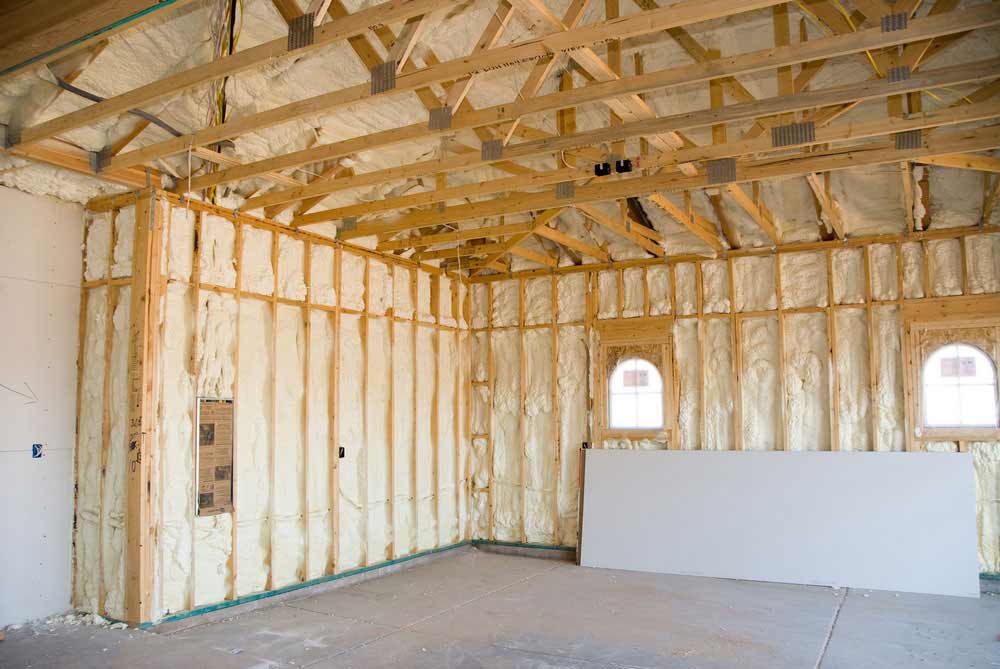
You may also opt for spray foam insulation, which has higher R-values than batt insulation. R-values refer to the resistance of a material against conductive heat flow. Higher R-values mean that the material provides more effective insulation for your home.

There are two types of spray foam insulation, open-cell polyurethane, and closed-cell polyurethane. Both of them can be used in walls and on floors and ceilings.

Let the Professionals Install Your Insulation

While you can install your own insulation, it’s better to call the professionals to the do job instead. Installing insulation requires a lot of work and you need to identify potential areas where heat can escape.

Insulation can also be hazardous to your health if not done properly. You could experience skin irritation and various respiratory diseases.

Our team of certified installation technicians uses the right equipment while following the right procedure to do the job right the first time around. We use safe and cost-effective methods to keep your home warm during winter, and comfortable all year long.

Contact us today for more information.

Stop Paying Too Much to Heat Your Home This Winter

The cool winter chill is here, and that means you will have to crank up your thermostat to keep your home warm. We all know that this means that the higher energy bills are starting to roll in. But don’t worry; at A+ Insulation, we can help you pay less for more heat this winter. Here’s what you need to do.

3 Ways to Pay Less for More Heat this Winter

1. Seal the Gaps

An overworked air conditioner can cause your energy bills to skyrocket because your home could have gaps in the attic, basement, or exterior walls.

When the temperature drops, hot air can escape through gaps, cracks, or any opening that is not sealed. When that cold air comes in, and the temperature goes down, you are forced to crank up the heat.

Make your house comfortable during the winter season by sealing any exposed gaps. Caulk or weather strip gaps and cracks around windows and doors to keep the cold air out. Your energy bills will drop by up to 20 percent once you take care of those gaps.

2. Get a Smart Thermostat

The average home spends over $2,000 every year on energy bills. Almost half of this amount comes from heating and cooling. You can resolve this by using a smart thermostat.
A programmable thermostat can help you manage the temperature in your home. This gadget allows you to set a schedule for the furnace. By controlling the temperature of your home from anywhere, you won’t waste energy by blasting the heat when no one is around.

The device optimizes your energy use to deliver savings without sacrificing comfort. You just have to program it depending on your family’s schedule.

You can expect significant savings when you stick to the settings or adjust them based on your family’s needs. By doing so, you can save at least $180 every year.

3. Go For Fiberglass Insulation

fiber-glass-insulation

Without enough protection, the winter chill can seep through electrical outlets, around windows, and under doors. But fiberglass insulation can help keep the cold at bay when temperatures start to threaten your comfort.

This insulation has many features that can protect your home against extreme weather conditions. Add it to your walls and your attic floor, where most of the hot air escapes. You can save up to 30 percent on heating and cooling costs with fiberglass.

You can also go for the blow-in-blanket system (BIBS), which not only blows in and fills easily, but also lasts for a long time. Here are the benefits of BIBS insulation:BIBS-insulation

  • Safety: It’s fire resistant.
  • No settling: It won’t settle or corrode over time.
  • Better coverage: This insulation can fit in tiny crevices, like wall cracks sized to only a couple of inches.
  • Noise reduction: It can absorb outside noise.
  • Moisture-resistant: It can resist the growth of mildew or mold.
  • Insect- and rodent-resistant: Rodents or any kind of insect won’t use it to make a nest.

Of course, the thermal performance of any insulation system depends on the installation. We have insulation technicians who have the training and certification to ensure your family experiences comfort throughout the year.

Let our team of certified professionals improve the thermal performance of your home.
Click here to contact us today.

When to get Your Attic Insulation Replaced

Attic insulation is a vital component that helps with the energy efficiency of your home. It regulates moisture levels inside the house, helps block out noise, keeps cold air in during the summer, and keeps your home toasty and warm during cold weather.

Over time, the state of the insulation in your attic space can deteriorate. This could lead to a range of problems, including higher average costs on energy bills and inconsistencies at room temperature. The cost to replace attic insulation can be made up in home energy savings over the course of a few years. If you hire a professional insulation company like us, your new insulation can last up to 30 years.

Out with the Old: Signs Your Attic Insulation Needs Replacement

How often should attic insulation be replaced? That depends heavily on whether or not it is already showing signs of deterioration. If you just moved into an older home, your insulation could already be showing signs of damage. Here are some signs that you may need to replace the insulation in your attic:

Pest Infestation

A worn out or damaged attic insulation can serve as a cozy and nice home for mice and other pests. They may leave waste behind if they are using the old insulation as a nest. If you suspect insects or rodents living in your attic, consider having a professional pest inspection before you have any new insulation installed.

Poor Climate Controlold-attic-insulation

Home insulation acts as the main barrier between the weather outside and the indoor temperature. If the insulation material is damaged, it may be hard to regulate the temperatures inside your home. If you’re having difficulty keeping the upper floors of your house warm in the winter and cool in the summer, you may have a problem with your attic insulation. On top of that, you may have an issue with your attic if you feel a draft, but are unsure of its source or origin.

Icicles

When the insulation in your attic can no longer keep the heat in, it rises up and out, heating the roof and causing any snow to melt. Once temperatures drop, the extra water refreezes and formsicicles. You may need to overhaul your insulating material if you come across icicles during winter weather or notice frozen precipitation melting quickly on your roof.

Unusually High Energy Expenses

Maintaining the desired indoor temperature in your house requires more energy when you have warm or cool air coming into your house through the roof. If you want to regulate the temperature, your heater or air conditioning unit needs to keep running or work harder. This may lead to a high electricity bill.

Crumbling Insulation

An easy way to find out if your insulating material is way beyond its useful life is to wear an industrial glove and touch the insulation in your attic. If it crumbles, then it’s high time you replace it.

These signs should push you to consider getting the insulating material in your attic changed. Rather than replace old attic insulation yourself, let A+ Insulation handle the job. Whatever type of insulation you need, we have you covered. From Batt insulation to spray foam insulation, we offer reliable attic insulation services in Kansas City.

You can count on our experienced insulation professionals to carry out the work efficiently. They commit to completing the project on budget and on schedule. After all, we want you and your loved ones to enjoy a comfortable and consistent temperature throughout your home.

Get in touch with us today for your free, no-obligation inspection. We look forward to providing the A+ service you deserve.

The Best Healthy Insulation for Homes

There are lots of different building materials and they aren’t always safe for long term exposure. Insulation is a broad product category that encompasses a variety of materials. These include cellulose insulation, fiberglass, foam, and board, just to name a few.

Insulation is vital to give your home the comfort you need all year round. It also helps you reduce your energy bills. Thus, it is crucial for you to consider the best material for your needs, so your health and comfort – and that of your family – will not be compromised.

From a Health Standpoint: The Best Types of Insulation

Energy Efficiency for All (EEFA) released a 2018 report that assessed the health impacts of the different types of materials used in insulation projects. The organization studied insulation systems of low-income housing in the US.

Insulation Materials with Low Health Hazards

EEFA ranked cork board insulation as the “healthiest” home insulation. The material is free from any hazardous content. However, this non toxic insulation can be quite expensive and is not widely available. You can, then, opt for fiberglass insulation, instead.

Fiberglass insulation is the most common safe home insulation in the US and is relatively cheaper than cork board insulation. Additionally, as the EEFA report indicates, look for fiberglass insulation that is formaldehyde free and halogenated flame retardant free, or, only contains minimal levels of these substances. When inhaled in high levels, these chemicals can cause respiratory problems.

But, according to an epidemiology study conducted by the North American Insulation Manufacturers Association (NAIMA), there is no causal association between fiber exposure and cancer or pulmonary diseases. In addition, NAIMA stated that with proper practice, fiberglass is a safe insulation to manufacture, fabricate, and install.

So, if you want to apply a blown-in blanket (BIBS) fiberglass insulation in your Kansas City home, we can do it for you. Our BIBS insulation is fire-resistant and provides better coverage.

In addition, based on the study of EEFA, here are the most recommended types of insulation with low health hazards:

  • Expanded Cork Board
  • Loose-Fill Fiberglass
  • Dense-Pack Fiberglass
  • Spray-Applied Fiberglass
  • Fiberglass Batts or Blankets

On the other hand, EEFA suggests that use of insulation options like mineral wool boards and expanded polystyrene should be kept to a minimum.

How to Choose the Best Insulation Material

Based on the discussion above, you should avoid insulation products that contain formaldehyde-based binders. The US Environmental Protection Agency has classified formaldehyde as a possible human carcinogen. Prolonged exposure to formaldehyde is toxic and can be a risk factor for respiratory problems.

Alternatively, if you are installing board insulation, make sure you use mechanical installation methods. You can ask your service provider to go for fasteners or screws instead of using large amounts of adhesives that are flammable and can even cause skin irritation.

Insulation makes your house more comfortable and can help improve indoor air quality. But, if you have made a poor choice regarding the type of insulation you need for your home, it can lead to performance and health concerns. In the long run, incorrect insulation can only cost you more money.

To avoid making this mistake, contact us today for a free evaluation. Our team of insulation experts can give you A+ advice and services for your insulation needs in Kansas City.

5 Parts of Your Home You Should Insulate Before Winter Comes

Now that we’re a few months away from the cold season, it is important to think of ways to protect your home and keep your family comfortable during winter. Here at A+ Insulation, we’ve come up with a list of the areas of your home that may need insulation before temperatures start to drop.

1. Attic

Often, winter is the season of skyrocketing utility bills, as we try to keep every room in our home at a warm, comfortable temperature. But you can help ensure home comfort without increasing your energy bills by having a properly insulated attic space. Inspect your attic, and look for cracks and gaps where blown insulation may not have settled correctly. Schedule attic insulation services in Kansas to address any problems you may discover.

With proper attic insulation, you keep heat out of the attic and in the rooms and living areas of your home. Plus by keeping your attic cooler, you’ll likely prevent ice dams from forming on your roof during winter, wreaking damage later on.

2. Garage

A garage that isn’t properly insulated allows heat to freely flow in and out of your house throughout the year, costing you money. Of course, the energy waste is much higher during winter. So, remember to include your garage on your pre-cold season insulation checklist. Otherwise, expect increasing energy bills and cold air creeping in every time you enter your garage.

If you insulate your garage, one of your priorities should be the wall that the area shares with your home. This is the place where most of the heat transfer occurs between your house and the garage. Also, don’t forget about the garage door. It functions as a large, thin exterior wall with many joints that create spaces where air can freely flow.

3. Exterior Walls

It is likely that your exterior walls are already insulated, but there’s no guarantee that the insulation is sufficient. The most crucial part of wall insulation is achieving a continuous fit with no gaps. For instance, keeping layers of batted insulation seamless is tricky as there are pipes, electrical outlets, and windows to work around; as a result, there may be gaps in your wall that will require sealing and insulating.

4. Crawlspaces

Crawlspaces are easy to ignore as you don’t see these parts of your home every day. But when insulated, these spaces play an important role in keeping your home warm and toasty during winter. Call an insulation service company to make sure your upper and lower crawlspaces have enough protection against cold temperatures.

5. Other Places Where Insulation is Old or Damaged

Pests, mold, and moisture can damage insulation, especially if the insulating materials have endured a lot of tough winters. So, while the temperature is still warm, schedule an inspection to see if you have old or damaged insulation in your home that needs replacement.

The harsh, cold weather is coming, so now’s the time to make sure your floors, walls, and the rest of your home will stay warm, comfortable, and dry over the winter season. Give us a call today to get started.

Why You Should Consider Underfloor Insulation for Your Home

insulated-flooringUnderfloor insulation in your home could increase your property value while also providing practical benefits. This article explains everything that you need to know. 
Are you thinking about improving your home? You might be interested in increasing the insulation. Typically, insulation projects will focus on exterior walls or even the attic. However, it’s important to be aware that you could also benefit from insulating the space underneath the floors. 

Underfloor insulation could save you a fortune on your heating and cooling bills. You might think that underfloor insulation isn’t going to be suitable for your property. However, you might be surprised at how versatile floor insulation options can be. 

It can work with a variety of materials whether you have a hardwood floor or need insulation under ceramic tiles. Let’s take a look at some of the key benefits. 

Benefits of Floor Insulations

There are numerous benefits of adding underfloor insulation to your home. First, it can ensure that you can eliminate drafts. This can be useful and necessary if you live in a home that is elevated above the ground. If this is the case, then you should consider adding insulation panels or batt insulation between the joists of the floor. 

This job can be quite difficult and you will need the help of a contractor. If your joists are enclosed, then consider using a spray.

As already mentioned, this type of insulation will also help ensure that you can prevent heat loss. It’s going to make your floors warmer too and that will be perfect through the colder months of the year. While it won’t provide a heated floor effect, the change will be noticeable when you make this altercation to your home.

Insulated floors can even stop your pipes from freezing. This can be an expensive issue and one that you want to avoid through the winter. By insulating your floor, you can make sure that your pipes are protected from severe drops in temperature that could cause damage.

Underfloor Insulation Options 

There are numerous underfloor insulation options to consider and different materials available on the market. For instance, foam insulation is popular because it’s easy to install and budget-friendly. However, if you have a larger budget to use then you can consider air sealing insulation. This is going to have a larger impact on your energy bills. 

Can You Use Insulation Under Ceramic Floor Tiles and Hardwood Floor?

You might be interested in whether you can use underfloor insulation flooring on various types of materials such as under a ceramic floor or hardwood floor. The answer is that underfloor insulation can be used underneath a wide range of materials. 

hardwood floor insulation can help with reducing heat loss during the colder months. Tile floors can benefit in the same way wood floors, however, the impact that you see may vary. You should also research the best type of insulation for your specific flooring material. 

If you are interested in learning more about underfloor insulation options please do not hesitate to contact us today. A friendly member of our team will be more than happy to help and ensure that you do make the right choice for your home.

Poor Insulation Could Increase your Heating and Cooling Bill

Your heating and cooling systems might be operating at their best, but if your home is not equipped to keep the air in, you may be wasting money on your monthly electricity bill. This means that there may be a problem with your home’s insulation. Your homes insulation helps with cooling and heating all year round. If your insulation is lacking, your units have to operate longer to achieve your desired indoor temperature, which could mean a hole in your pocket for the added utility costs.

How Much Are You Spending on Heating and Cooling Costs?

You might be looking into ways to lower your heating bill. The best solution is to call the insulation professionals in Kansas City. A+ Insulation has been providing energy and cost-efficient solutions since 2004, and we have provided our clients with protection from both external elements and high energy bills.

Cost of Heating and Cooling

The national average for central air conditioner installation costs is approximately $5,391, while heating systems cost an average of $4,239. If maintained regularly, these units could last for about ten years, depending on factors such as the brand and the frequency of use.

Homeowners also need to consider electricity costs. We can estimate heating and cooling costs by multiplying the kilowatt (kW) the unit uses by the electricity rate to get the total electricity cost you have to pay to operate your unit hourly.

According to the U.S. Energy Information Agency (EIA), Kansas’ latest average electricity rate is $0.1196 per kW. The kilowatt depends on the unit, but if your unit uses 3,000 watts or 3 kilowatts, expect to spend almost $0.36 to operate it for an hour or $8.6 for the entire day. It may not seem like a lot, but this is only an estimate, and your electricity bill could still accumulate to hundreds of dollars.

Also, consider that it is the fall season. The weather will turn very cold in a few months, and your household will be using your heater more often. The last three years have seen a steady increase in heating costs during the winter season. In 2017, the EIA estimated that households across the United States pay an average of $980 for heating costs during the season.

Is Your Home Energy Efficient?

Wondering how to save on heating bills? Some households may operate their heating and air conditioning units manually while others have programmable thermostats that adjust based on the indoor temperature. However, without good insulation, hot air and cold air can escape your home. Even with your windows and doors closed, the temperature can escape through air leaks in the walls, flooring, and roofing.

As a result, your units may be operating longer than necessary just to achieve your desired temperature. Not only are you consuming more electricity, but you are also overusing your units, which could damage the appliance over time. You don’t want to be heating your home with space heaters all winter. With insulation, the temperature is trapped indoors, which makes it easier to keep the temperature constant and helps you save money.

If you feel that your heating and cooling appliances are working at their best but your home is not equipped to keep the temperature in, maybe it is time to consider upgrading your insulation with the right Kansas City insulation company. Whether your house is best suited for attic or wall insulation, spray foam, or a Blow-in-Blanket System, A+ Insulation’s certified professionals can help you find the right insulation for your home. We provide efficient outputs that give households better indoor comfort.

Contact us today to receive a free inspection and estimate.

Blown-In or Batt Insulation: Which Type Suits Your Home?

batt-insulationBatt and rolls vs blown insulation is a common debate when completing this change to your property. Here are some of the key points you should consider. 

Are you thinking about adding more insulation to your home? If so, then you have come to the right place. It can be quite tricky to know what type of insulation is going to be right for your property and there is a range of different choices to consider here. 

One of the key decisions is whether you opt for blown-in or batt insulation. What’s the difference here?

Blown-In Insulation vs. Batts For Attic Installations

You have likely already heard about the benefits of fiberglass insulation. Blown-in and batts refer to two different types of fiberglass insulation that could be relevant to your home. Blown-in or loose-fill insulation and fiberglass batts. Blanket insulation that is made of rolls or batts is one of the more common choices but that doesn’t necessarily mean it’s the right one for your home. 

Batt insulation is available and purchased in panels that are pre-cut. Usually, it will be installed in areas where there is a considerable amount of free space. 

In other words, you should consider it for spaces where you don’t have to worry about wiring and pipes. It’s smooth and often reminds people of a thermal blanket. It can be installed in walls and is typically favored for new construction projects. 

In contrast, blown-in insulation is installed with a blowing machine however depending on the material, the actual installation process can differ slightly. 

Both can be installed in various areas of your home and they are typically used in the walls as well as attic insulation. 

Is Blown-In Insulation Better Than Batts?

Some people argue that blown-in insulation is better than batts for a few reasons. First, it’s better at providing sound control in your home. So, if you want to make sure that the noise outside isn’t a nightmare or footsteps above you don’t sound like elephants wandering around, then blown-in insulation could be the right choice. It may even be the best type of insulation for the attic. 

As well as this blown-in insulation can be more energy efficient. The reason for this is the process of how it is installed. Since it is installed using a blowing machine it spreads out through all of the available space.

Do be aware though that blown-in insulation will not be the best option for every home. As such, you should make sure that you are getting a professional to assess your home. They will be able to tell you exactly what insulation type is suitable, whether you are adding it to the exterior walls or your attic.

We hope this helps you understand which type of insulation could be the right fit for your home. If you need more help here, please do not hesitate to contact us and a friendly member of our team will be happy to assist you. 

The Pros and Cons of Fiberglass vs Spray Foam Insulation

Choosing Between Spray Foam and Fiberglass Insulation

We know a conversation about insulation isn’t exactly the most riveting, but it’s an important decision to make. Not only does good insulation maintain the desired temperature in your home or business, but insulation also helps you save money on your energy bills. When it comes time for home or business owners to choose which type of insulation to use, spray foam and fiberglass insulation dominate the conversation. But which of the two are the better choice for your space and for your wallet? Whether it be spray foam or fiberglass, there are many questions to consider for each and making a decision can be difficult and we understand the process can seem tricky which is why we are here to help.

Spray Foam Insulation

Pros:

Spray foam is a relatively new method of insulating a home or business, but it can be used spray-foam-smallas the primary method of insulation in a new home or business, as well as supplemental insulation. Spray foam is applied by spraying a polyurethane foam into walls and ceilings, where it then expands to form an airtight seal that is also moisture tight and also protects your home or business from pests, rodents, and mold damage. One of the best attributes of spray foam insulation is its ability to seal off small crevices that other types of insulation simply cannot reach which makes it the most energy-efficient method of the two. Another good thing about spray foam insulation is the fact that it also does not break down as easily as fiberglass insulation, thus giving it a much longer lifespan.

Cons:

On the downside, spray foam insulation comes at a price that is considerably more expensive than fiberglass. Often times, spray foam is triple the price of fiberglass and sometimes it can be more. Applying spray foam insulation is also something that is not advised to do by yourself unless it is a very small job. Even professionals have struggles applying spray foam correctly because of the mess it makes. If you decide to use spray foam insulation in your home or business, make sure that your installer has adequate experience and takes the proper precautions before applying it to your walls or ceilings.

Fiberglass Insulation

Pros:

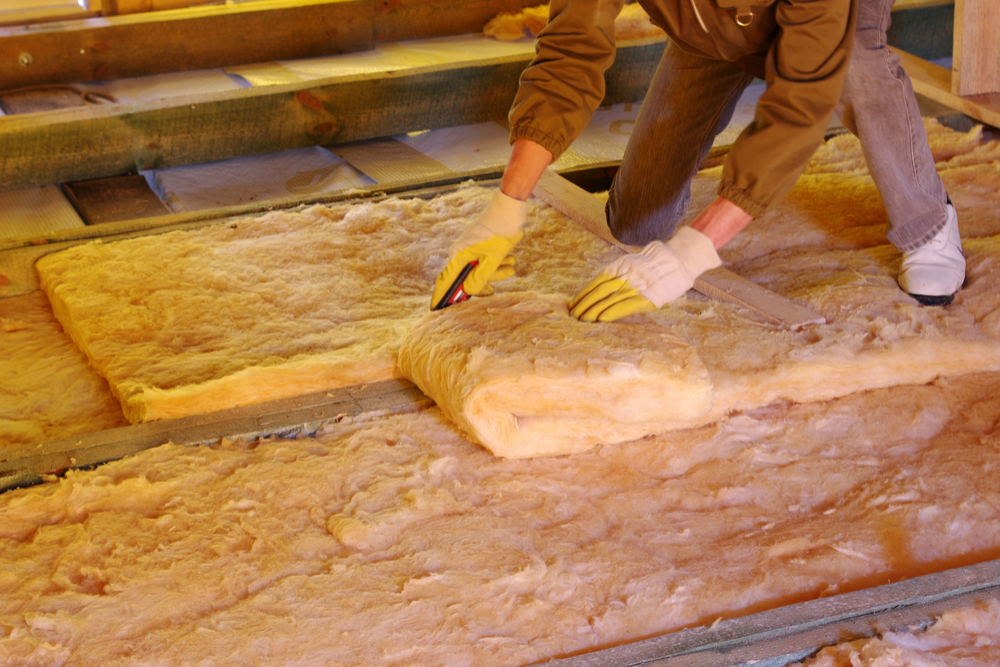
Used in 85% of American homes and businesses, fiberglass insulation is the most traditional and most common form of insulation. Fiberglass insulation works by trapping fiberglass-insulation-smallair bubbles and creating an insulating effect that escalates and slows the heat exchange between surfaces. While professional installation is required for spray foam insulation, fiberglass insulation can be installed by homeowners themselves and is the most inexpensive and DIY-friendly of the two types of insulation, but if you decide to hire professional help to install fiberglass insulation, you are in plenty of luck. Since fiberglass is so popular and has been around for such a long time, most contractors have plenty of experience with the material and won’t require much effort to clean up post-installation.
Cons:

However, due to fiberglass insulation consisting mostly of extremely fine glass fibers, the insulation material can be inhaled and even embed in the pores of your skin so if you do decide to take on this project without professional help, having all of the necessary safety equipment is of the utmost importance. Compared to spray foam insulation, fiberglass is less effective, especially in extremely cold conditions, and if you are looking to add it to an existing home or business, you may be out of luck as it is often only used as a primary method of insulation.

Making Your Decision

As you can see, there are a number of pros and cons when it comes to the age-old question of which insulation is right for your home or business. With cost being the primary factor, if you are working with a slim budget, fiberglass insulation may be the one for you. It’s easy to install, contractors are familiar with it if you decide that installing it yourself is not for you, and it’s easy on the wallet. However, if your home or business is in desperate need of effective insulation that is worth spending extra funds on, spray foam is your best bet. It may cost a lot upfront, but it will save you hundreds in the long run.

Have more questions or need a quote for your insulation project? Learn more about A+ Insulation’s Fiberglass Batted Insulation or Spray Foam Insulation services or contact us today for a FREE quote!

Why Shouldn’t You Install Your Own Installation

installing-insulationProfessional insulation services may seem expensive but attempting to DIY could be a massive mistake. This article explains why. 

Your home insulation is a key and vital part of your property. The right insulation will help ensure that your energy bills don’t go through the roof and guarantee that your home remains comfortable. 

As such insulation improvements are popular home renovation projects. However, it’s important that you approach a project like this the right way. 

It can be tempting to complete a home renovation project without outside help and that’s understandable. You might do this to try and save money, but this would be a mistake. It could end up costing you a lot more than you bargained for. 

Can I Install Insulation Myself?

Do It yourself installation is technically a possibility. However, it does depend on the type of insulation that you are using. 

For instance, you might decide to use foam spray insulation. This is a popular choice and it works quite well. It’s also easy to install but some of the other options are more complicated and will require tools that you probably don’t have. 

The Dangers of Do-it-Yourself Insulation 

You might assume that there’s no danger involved in DIY insulation however this is not the case. Insulations can be messy and certainly dangerous if they are not handled the right way. Part of the reason for this is that insulation involves different chemicals. If you breathe the fibers in, then they could harm your health. 

This is why if you use a professional contractor for your insulation you will often find that they do use protective gear. You probably don’t have gear like this around your home. 

What Is the Best Way to Install Insulation?

The best way to install insulation is always going to be using a pro and there are a few reasons for this. First, you won’t know the tricks and the important steps that insulation contractors know. As an example, when installing insulation, it’s important to maintain the right level of airflow. If you don’t do this, then it can lead to issues with condensation as well as environmental problems in your home. 

There are guides online but they might not provide all the steps that you need to follow. As well if insulation is installed incorrectly, then it could actually damage the value of your property. This is just one of the ways that a DIY job for insulation could end up costing you a lot more than paying for a professional. 

Installing home insulation might seem like an easy task but the reality is there are unseen pitfalls here that you need to be wary of. The DIY insulation materials you use might not provide the same benefits that you would get if you did invest in a professional installation completed by a trained expert. Professionals also get discounts on the materials that could cost you an absolute fortune so in the long run hiring a pro could save you a great deal. 

Your existing insulation also needs to be disposed of properly. If you have fiberglass insulation or blown-in insulation, you will need to make sure you are following the local disposal guidelines.

Installing insulation yourself might seem like a good way to save money, but there are many things you might not know how to do. The experts at A+ Insulation will make sure that your insulation is installed correctly and will help maximize your home’s energy efficiency.