 Underfloor insulation in your home could increase your property value while also providing practical benefits. This article explains everything that you need to know.
Are you thinking about improving your home? You might be interested in increasing the insulation. Typically, insulation projects will focus on exterior walls or even the attic. However, it’s important to be aware that you could also benefit from insulating the space underneath the floors.
Underfloor insulation could save you a fortune on your heating and cooling bills. You might think that underfloor insulation isn’t going to be suitable for your property. However, you might be surprised at how versatile floor insulation options can be.
It can work with a variety of materials whether you have a hardwood floor or need insulation under ceramic tiles. Let’s take a look at some of the key benefits.
Benefits of Floor Insulations
There are numerous benefits of adding underfloor insulation to your home. First, it can ensure that you can eliminate drafts. This can be useful and necessary if you live in a home that is elevated above the ground. If this is the case, then you should consider adding insulation panels or batt insulation between the joists of the floor.
This job can be quite difficult and you will need the help of a contractor. If your joists are enclosed, then consider using a spray.
As already mentioned, this type of insulation will also help ensure that you can prevent heat loss. It’s going to make your floors warmer too and that will be perfect through the colder months of the year. While it won’t provide a heated floor effect, the change will be noticeable when you make this altercation to your home.
Insulated floors can even stop your pipes from freezing. This can be an expensive issue and one that you want to avoid through the winter. By insulating your floor, you can make sure that your pipes are protected from severe drops in temperature that could cause damage.
Underfloor Insulation Options
There are numerous underfloor insulation options to consider and different materials available on the market. For instance, foam insulation is popular because it’s easy to install and budget-friendly. However, if you have a larger budget to use then you can consider air sealing insulation. This is going to have a larger impact on your energy bills.
Can You Use Insulation Under Ceramic Floor Tiles and Hardwood Floor?
You might be interested in whether you can use underfloor insulation flooring on various types of materials such as under a ceramic floor or hardwood floor. The answer is that underfloor insulation can be used underneath a wide range of materials.
hardwood floor insulation can help with reducing heat loss during the colder months. Tile floors can benefit in the same way wood floors, however, the impact that you see may vary. You should also research the best type of insulation for your specific flooring material.
If you are interested in learning more about underfloor insulation options please do not hesitate to contact us today. A friendly member of our team will be more than happy to help and ensure that you do make the right choice for your home.
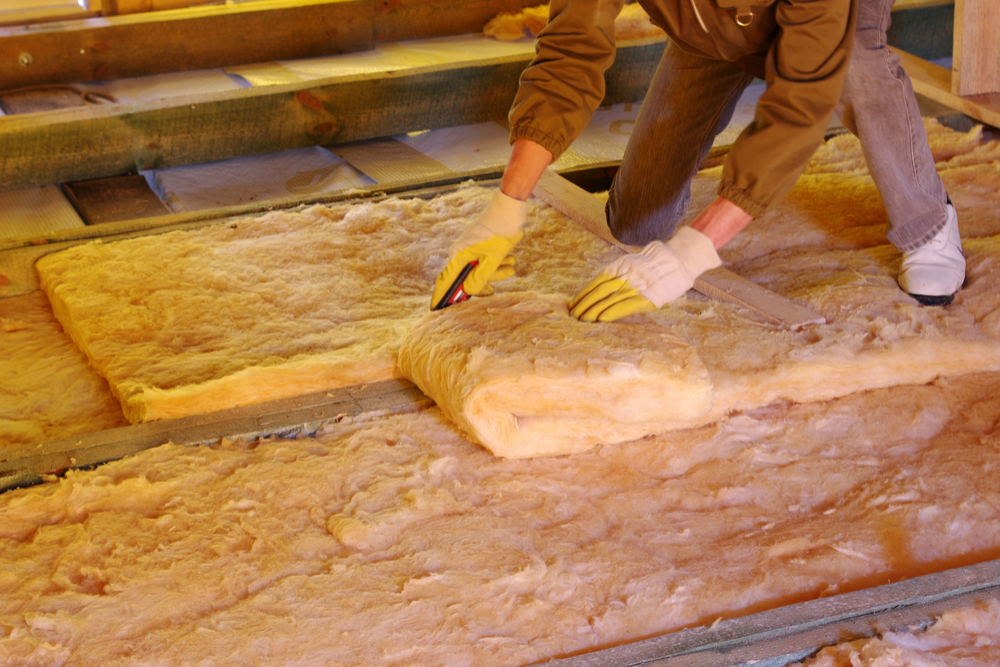
 Batt and rolls vs blown insulation is a common debate when completing this change to your property. Here are some of the key points you should consider.
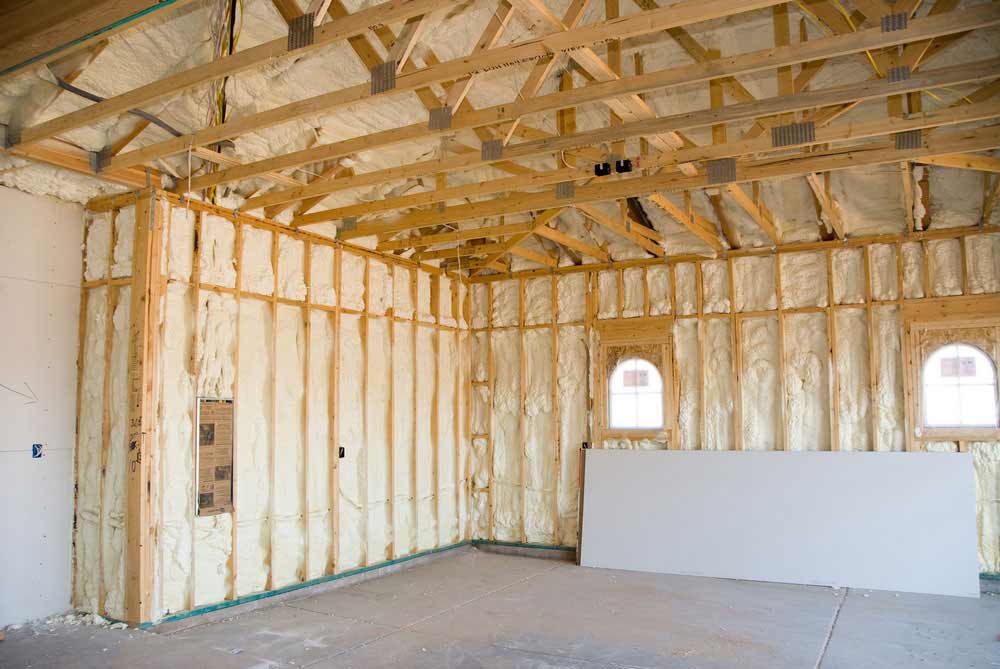
  as the primary method of insulation in a new home or business, as well as supplemental insulation. Spray foam is applied by spraying a polyurethane foam into walls and ceilings, where it then expands to form an airtight seal that is also moisture tight and also protects your home or business from pests, rodents, and mold damage. One of the best attributes of spray foam insulation is its ability to seal off small crevices that other types of insulation simply cannot reach which makes it
  air bubbles and creating an insulating effect that escalates and slows the heat exchange between surfaces.
  Professional insulation services may seem expensive but attempting to DIY could be a massive mistake. This article explains why.
  No building codes for insulation minimums existed before 1980. With the many changes in the standards for insulation over the years, you still need to check your home’s insulation even if you had the property built after 1980. The standard insulation then may not meet the code today.
 One of the things homeowners can do to save on expenses each month is to install insulation. Homeowners can hire general contractors to do this, but the results may not be as they desire.
 A primary concern in padding insulation is determining and understanding the type of insulating material. Contractors who lack the qualifications to handle toxic insulation materials, such as asbestos, can cause homeowners and other occupants of the property to get sick. Thus, it is best to hire insulation contractors, as they are qualified to handle hazardous insulation materials.
 No matter what the temperature is outdoors, you need to make sure that you obtain the same level of comfort indoors. Upgrading your
  Rest assured that your contractor will help you get to know the R-value of each insulation material. The climate in your area is the primary determinant of the material, but your contractor will also keep your preferred budget in mind when recommending insulation foam.
 Old houses hold a nostalgic appeal for their architectural features unique to a bygone era. But the aesthetic could come at a cost: dated structures have a higher chance of containing harmful materials like asbestos.
 Asbestos fibers can lurk in various corners of your home like floor tiles and water pipes. Sometimes, you might even find thousands of loose particles of asbestos inside walls or beneath attic floorboards. That’s why it helps to identify whether your
  One of the areas that homeowners want to be insulated in their home is the attic. Applying spray foam insulation in your attic helps residents save hundreds of dollars on their monthly energy bill and prevent long-term structural damage to moisture.
 Homeowners sometimes overlook applying enough insulation on freshly built rooms or converted rooms. These new rooms may not have adequate insulation like the rest of the areas in your home. Using spray foam insulation in these rooms creates an effective air barrier that helps regulate temperature in your new space. Additionally, it keeps the temperature consistent with the rest of your house.