Improving your attic’s energy efficiency goes beyond helping you maintain a comfortable temperature in your home. It can also save you money on cooling and heating costs. If you’re looking to cut down your energy bill, take note of these suggestions to make your attic more energy efficient.
Seal Cracks to Reduce Air Leaks in the Attic
 Attic air leaks are holes, cracks, and other weak points where air can go in and out of your house. Ignoring this problem can promote the escape of cool air during the summer and heated air in the winter. This forces your HVAC unit to work harder, which increases your energy bill. On top of that, leaks in the attic may serve as starting points for significant water damage.
If you come across a leak in your attic, seal them as soon as possible. You’ll usually find leaks in the following areas:
- Attic Hatch
- Doors and Windows
- Duct Chaseways or Furnace Flue
- Recessed Light
- Open Soffit
- Plumbing Vents
- Wiring Holes
If you’re still having difficulty finding attic leaks, check out the floor plan of your home and use it to locate possible air leak spots.
Install Attic Fans
Attic ventilation fans are an excellent choice for regulating the temperature of your house. They cool a hot attic by drawing hot air out of the area and bring colder air from the gable and soffit vents. If you’re going to install these fans, make sure that your attic does not have any leaks. If your attic has holes, these fans could draw conditioned air out of your house.
Ventilate the Attic
 Venting the attic helps regulate seasonal temperatures inside the attic while letting you maintain a consistent temperature in your home with the help of your HVAC system. A properly ventilated attic enables outdoor air flow into the attic during winter. While it may look strange to allow cold air to enter your house in the winter, a cold attic can minimize the risk of melting the snow on the roof. Melted snow could refreeze in gutter systems, damage the roof, and result in interior water damage.
Additionally, a well-ventilated attic provides an escape route for warm air. When hot air stays in the attic, it can heat the roof shingles and raise the risk of roof damage. On top of that, trapped humid and hot air could cause the accumulation of moisture and result in the growth of mildew or mold.
Make Sure Your Attic Has Sufficient Insulation
Insulation is one of the best ways to enhance the energy efficiency of your attic. According to the U.S. Department of Energy, insulation can help you save up to 20 percent on your home’s cooling and heating costs. If your attic is in need of insulation, don’t hesitate to turn to A+ Insulation. We have experienced insulation professionals who perform efficient and diligent attic insulation work. Count on us to do the job correctly and on time. We want you and your family to enjoy lower utility bills and a comfortable and consistent temperature inside your home.
Contact us today.
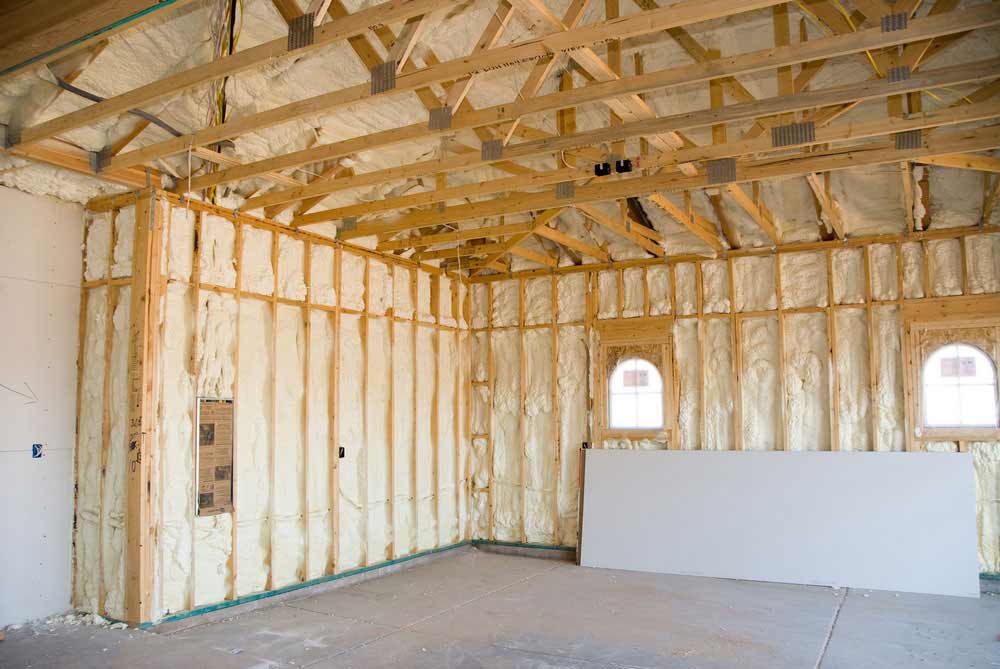 Batt and rolls vs blown insulation is a common debate when completing this change to your property. Here are some of the key points you should consider.
  No building codes for insulation minimums existed before 1980. With the many changes in the standards for insulation over the years, you still need to check your home’s insulation even if you had the property built after 1980. The standard insulation then may not meet the code today.
 Spray foam insulation is one of the most popular types of insulation for homes and commercial buildings. Starting off in liquid form, spray foam is applied to tight spaces where it expands up to 60 times its original liquid volume.
 Residents of Kansas City always look forward to springtime. The fresh air is a welcome delight after months of chilly days and bundled up nights. The locals gear up for festival season, St. Patrick’s Day, and the Brookside Art Annual which are all citywide celebrations that pump up people of all ages. Of course, the spring season also brings back the Kansas City Royals, our boys in blue, to the baseball park.
 Spring is a great time to install or replace attic insulation. Your household may have exhausted the HVAC system throughout the winter, so now’s a great time to let it recover and direct your attention to the insulation. Furthermore, spring installation also prepares you for the warm, humid weather that summer is sure to bring. This way, you wouldn’t spend so much on home cooling costs in the future.
 Warm, cozy, and full of character, you love your 1960 home.